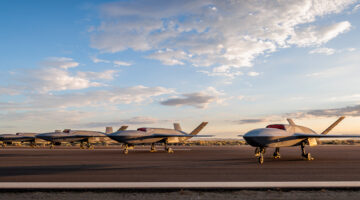
A new era of uncrewed airpower: GA-ASI’s lineup for high-tech warfare
GA-ASI is serious about retaining its position as the leading provider of UAS to the United States and its allies.

GA-ASI is serious about retaining its position as the leading provider of UAS to the United States and its allies.
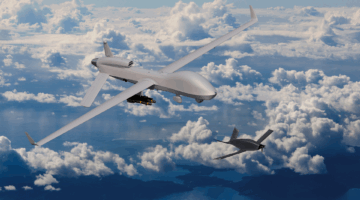
In an age defined by rapid technological evolution and operational complexity, GA-ASI’s Modernized Gray Eagle® ER and Gray Eagle® STOL remain the gold standard.

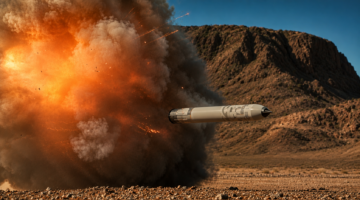
The goal of such weaponization is to tie warfighter needs to the RDT&E cycle.


Blending superior optics, advanced stabilization and AI-powered autonomy in a compact and rugged system, ASELFLIR 600 delivers unmatched intelligence, surveillance and reconnaissance (ISR) capabilities.

The development of the YFQ-42A is the first in a series of Collaborative Combat Aircraft (CCA), highly autonomous armed jets that can operate independently or with other uncrewed and crewed aircraft.

A new chapter is beginning in U.S.-UAE defense cooperation, opening the door to further collaboration.


The American-made Teal 2 quadcopter and Edge 130 Blue, a VTOL fixed-wing system, are both on the Defense Innovation Unit’s Blue List for acquisition by U.S. forces.

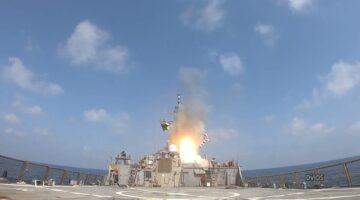
Expanding manufacturing capacity is critical to producing missiles, radars, and launch systems.
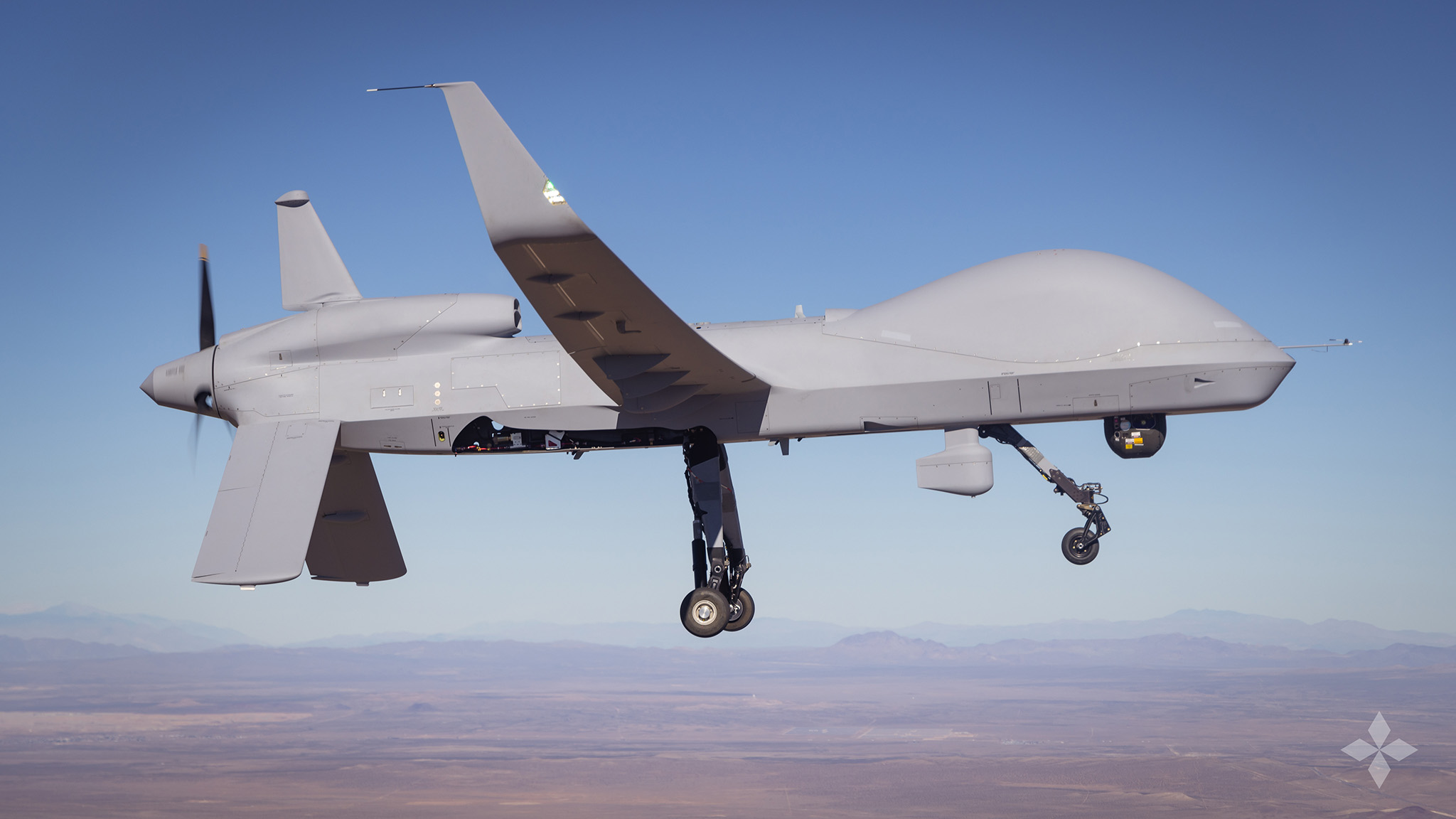
The possibilities are endless with the next generation of Gray Eagle, making it easy to envision more missions and capabilities on the horizon.
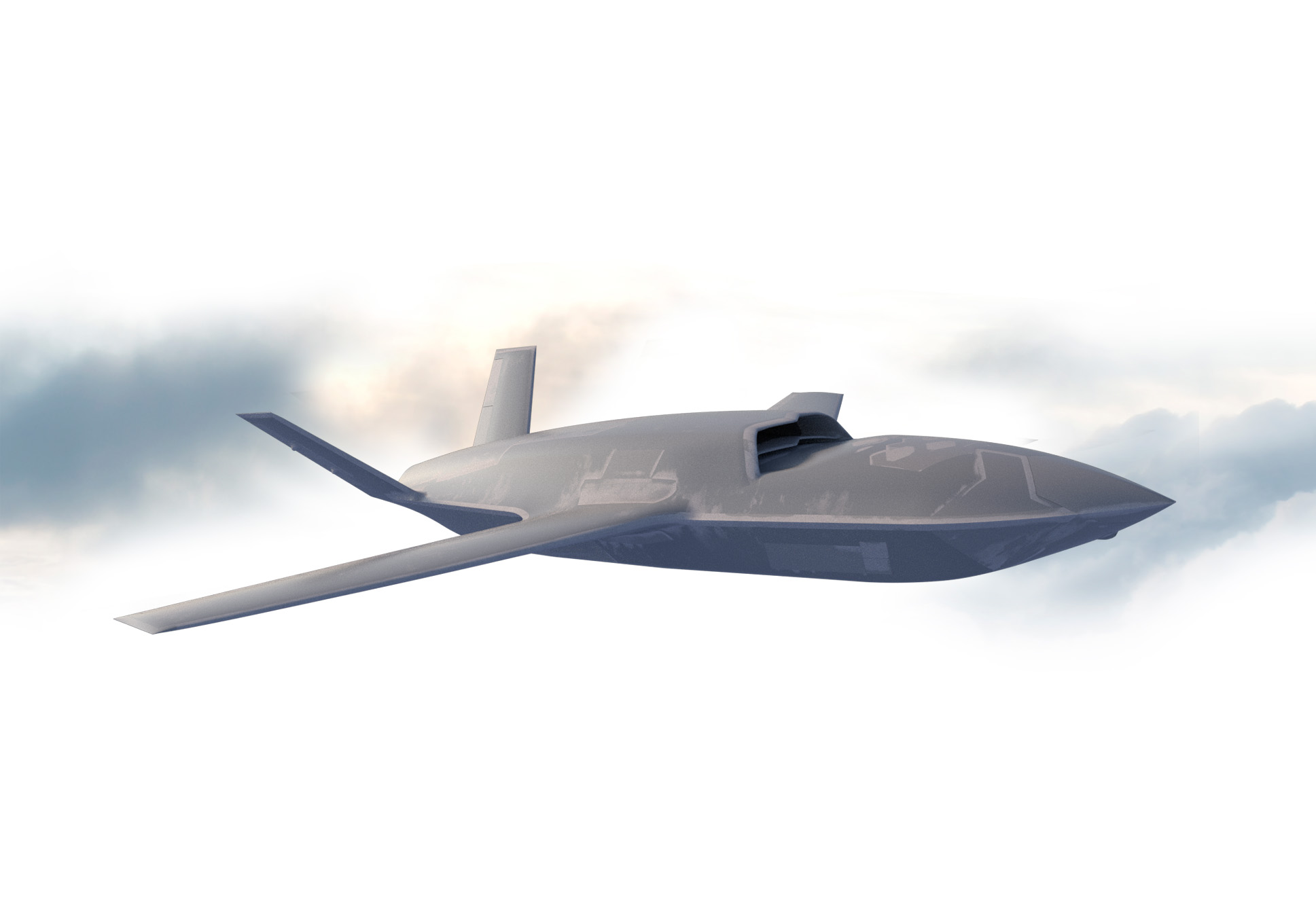
No other aerospace and defense manufacturer is poised to deliver a CCA as capable as the one built by General Atomics, or one as economical, producible, and flexible.

Gen. Gregory Guillot told the annual SMD Symposium that he also believes the US military needs to increase its effort to field directed-energy weapons to counter not only uncrewed aircraft systems but also cruise and hypersonic missiles.

Advances in RPA technologies signal a future where aircraft could operate from a variety of austere locations, making it much more difficult to find and target large air bases.


Lithium-metal batteries are one way to break the weight and endurance limits of today’s unmanned systems.

As the nations of the Alliance mark NATO’s anniversary, they must do all they can to keep themselves and NATO ready.

Flying MQ-9B in place of larger maritime patrol aircraft costs less and extends the sensing and endurance possible alongside those high-value platforms.
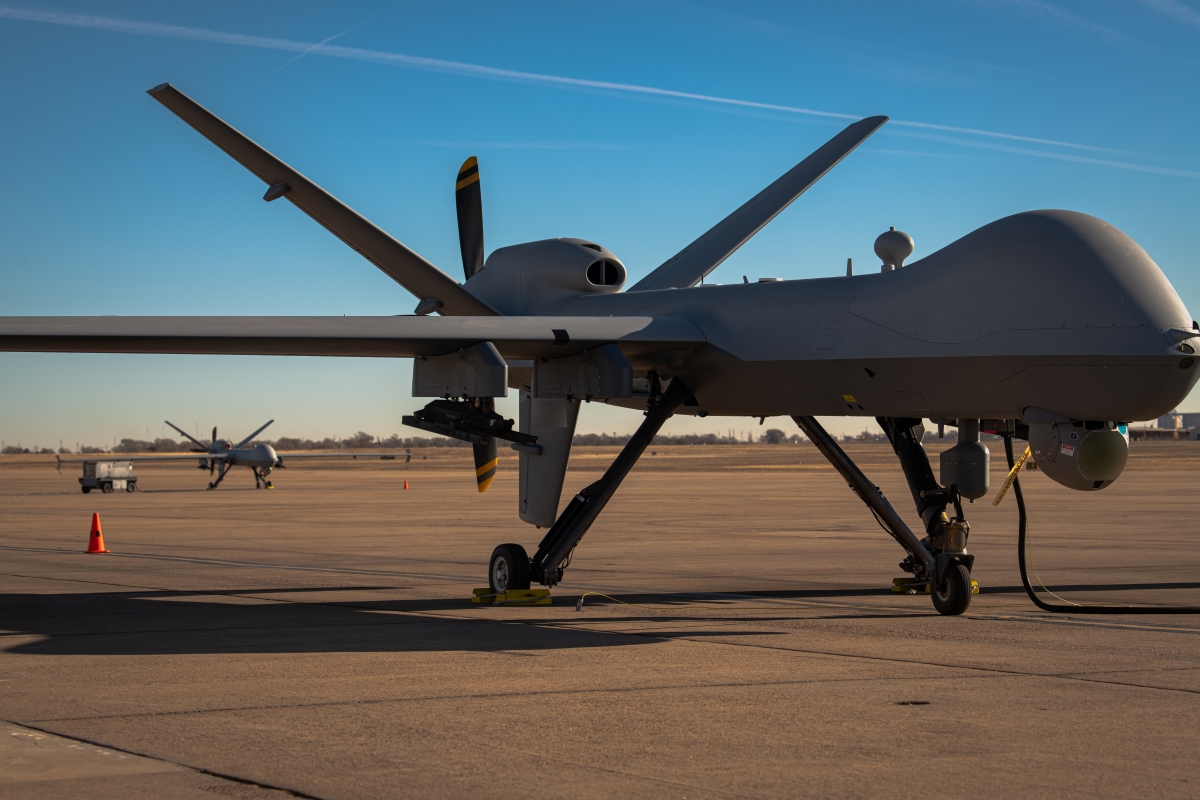
These upgrades will play a central role in the way American and allied forces fight, and are destined to keep them at the vanguard for a long time.
Adoption of the MQ-9 platform is just getting started; one of the most important new chapters for this platform will be the one written by the U.S. Marine Corps.